
 By
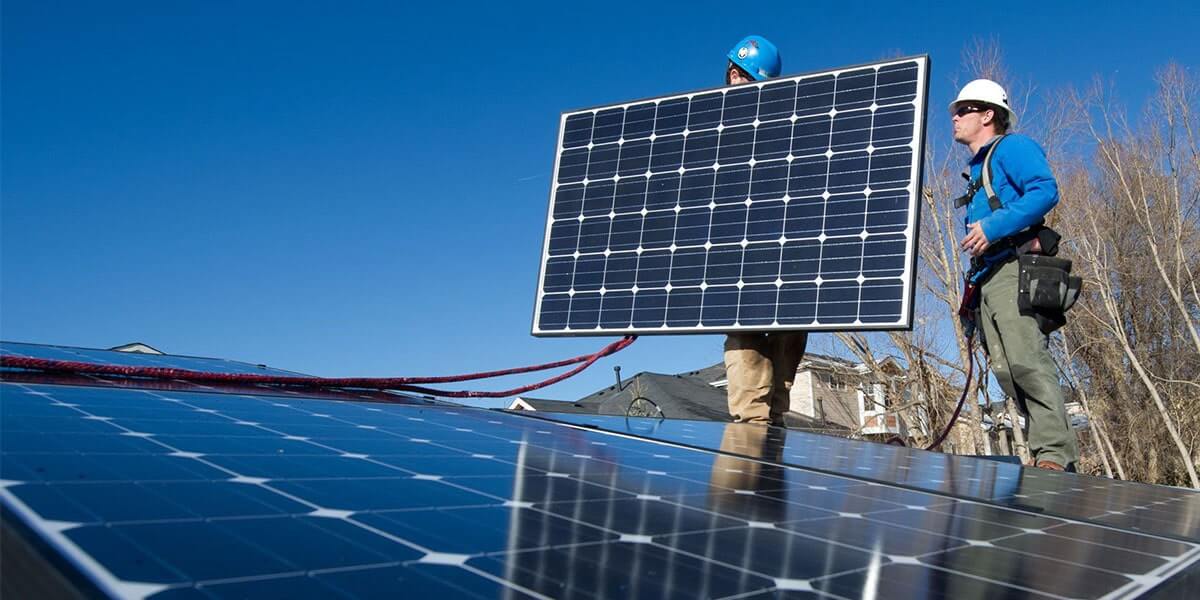
By Installing solar panels on your roof can be a smart long-term decision. For many homeowners, solar energy offers the potential to lower electricity bills, reduce reliance on the grid, and support cleaner energy use. However, solar is not a one-size-fits-all solution. Before signing a contract or scheduling an installation, it’s important to understand what rooftop solar really involves.
This guide covers 7 essential things to know before installing solar panels on your roof, helping you make an informed, realistic, and financially sound decision.
Your Roof’s Condition and Suitability Matter More Than You Think
Not every roof is ideal for solar panels. One of the most common mistakes homeowners make is focusing on incentives or savings before confirming whether their roof is suitable.
Key factors to evaluate
- Roof age: If your roof needs replacement within the next 5–10 years, it’s usually better to replace it before installing solar
- Roof material: Asphalt shingles are generally solar-friendly; slate, wood, or tile may increase installation complexity
- Roof size and shape: Adequate surface area is required to generate meaningful electricity
- Roof orientation: South-facing roofs typically receive the most sunlight
- Shading: Trees, nearby buildings, or chimneys can significantly reduce efficiency
A professional site assessment is essential before moving forward.
Solar Panel Costs Go Beyond the Panels Themselves
Many people focus only on the advertised price of solar panels, but total system cost includes much more.
Typical cost components
- Solar panels
- Inverters (string or microinverters)
- Mounting and racking systems
- Electrical upgrades
- Permits and inspections
- Installation labor
While solar prices have declined over time, upfront costs can still be significant. Understanding the full cost breakdown helps prevent budget surprises.
Solar Incentives and Tax Credits Are Location-Specific
Government incentives can substantially reduce the cost of solar—but they vary by country, state, and even utility provider.
In the U.S., homeowners often explore incentives referenced by organizations such as the U.S. Department of Energy and the Internal Revenue Service.
Common incentive types
- Federal tax credits
- State or local rebates
- Net metering programs
- Utility-based incentives
These programs can change over time, so it’s important to verify current eligibility and requirements before relying on them in your financial planning.
Your Electricity Usage Determines Solar Value
Solar panels are most effective when designed to match your actual energy consumption.
Before installing solar
- Review at least 12 months of electricity bills
- Identify seasonal usage patterns
- Consider future changes (electric vehicles, home offices, heat pumps)
Installing too small a system may limit savings, while oversizing may extend the payback period. A properly sized system is key to maximizing value.
Not All Solar Financing Options Are the Same
How you pay for solar affects both savings and long-term flexibility.
Common solar financing options
- Cash purchase: Highest upfront cost but greatest long-term savings
- Solar loans: Spread payments over time; interest affects total cost
- Solar leases: Lower upfront cost but limited ownership benefits
- Power purchase agreements (PPAs): Pay for electricity generated rather than owning the system
Ownership generally provides the most financial benefit, but financing choice should align with your budget and goals.
Installation Quality and Installer Credentials Are Critical
Solar is a long-term investment, often expected to last 20–25 years or more. Installation quality directly affects performance and safety.
What to check in a solar installer
- Licensing and insurance
- Experience with your roof type
- Warranty coverage (equipment and workmanship)
- Transparent contracts and timelines
- Clear maintenance guidance
Poor installation can lead to roof leaks, electrical issues, or underperforming systems, which can be costly to fix later.
Solar Is a Long-Term Commitment, Not a Quick Win
Solar panels typically take several years to offset their initial cost through energy savings.
Important long-term considerations
- Payback period varies by location and usage
- Panels gradually lose efficiency over time
- Maintenance is usually minimal but not zero
- Selling your home with solar may involve additional paperwork
Solar works best for homeowners planning to stay in their home long enough to benefit from long-term savings.
Understanding Solar Panel Performance and Degradation
Solar panels slowly produce less electricity as they age.
What to expect
- Gradual efficiency decline over decades
- Performance warranties often guarantee output levels
- Modern panels are designed for durability
Understanding realistic performance expectations helps avoid disappointment.
Maintenance and Monitoring: What Homeowners Should Know
Most residential solar systems require limited maintenance, but monitoring is still important.
Typical responsibilities
- Keeping panels clear of heavy debris
- Monitoring system performance via apps or portals
- Addressing inverter issues if they arise
Routine awareness ensures your system continues operating efficiently.
How Solar Affects Home Insurance and Property Value
Installing solar panels may affect your insurance coverage.
Things to check
- Whether your policy covers rooftop solar
- If coverage limits need adjustment
- How solar impacts property value assessments
Some insurers require updates once solar is installed.
Is Solar Worth It for Every Homeowner?
Solar is most beneficial when:
- Electricity rates are high
- Sun exposure is strong
- Long-term homeownership is planned
- Incentives are available
It may be less suitable for homes with heavy shading, short ownership timelines, or limited roof space.
Questions to Ask Before Signing a Solar Contract
- What is the total installed cost?
- What warranties are included?
- How long is the expected payback period?
- What happens if I sell my home?
- Who handles permits and inspections?
Clear answers reduce risk and improve confidence.
Common Mistakes to Avoid When Going Solar
- Skipping a roof inspection
- Relying on outdated incentive information
- Not comparing multiple installers
- Focusing only on monthly savings
- Ignoring long-term ownership considerations
Avoiding these mistakes can significantly improve your solar experience.
Final Thoughts
Installing solar panels on your roof can be a powerful step toward energy independence and long-term savings—but only when approached thoughtfully. Understanding your roof’s condition, true costs, financing options, and long-term expectations is essential before making a commitment.
By considering these 7 key things before installing solar panels, homeowners can make informed decisions that align with both their financial goals and their property’s realities.
Disclaimer: This article is for informational purposes only. Solar policies, incentives, and system performance vary by location and provider. Always consult qualified professionals before proceeding.