

 By
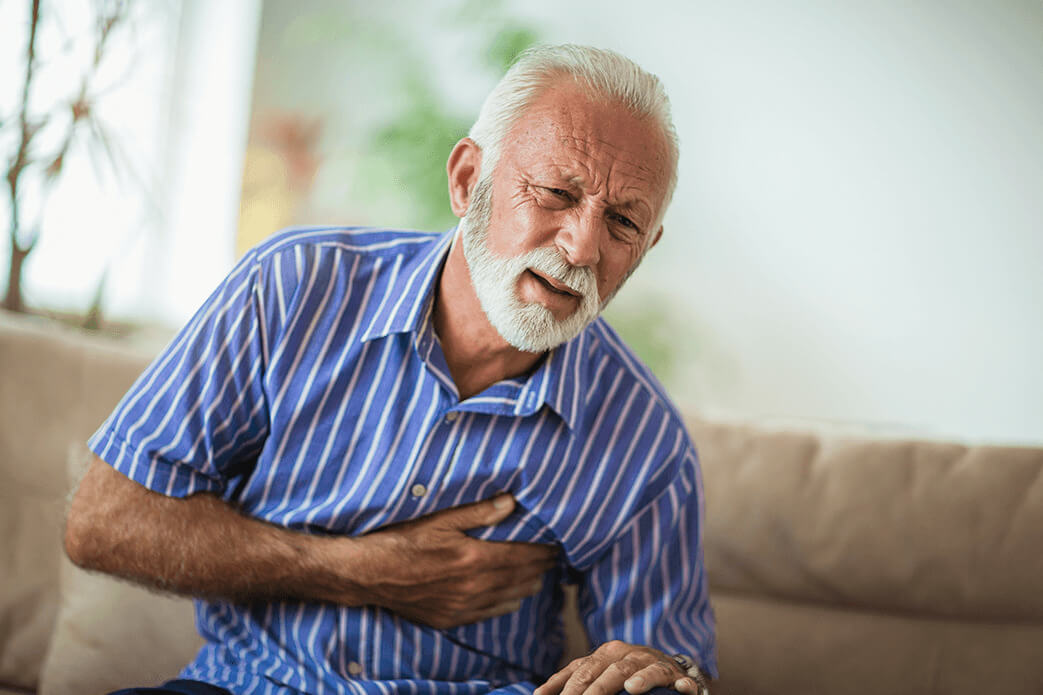
By Chest pain can be frightening at any age, but it is especially concerning in older adults. While some causes are mild, chest pain in seniors may signal a serious medical condition that requires immediate attention. Knowing what to do, how to recognize warning signs, and when to seek help can make a critical difference.
This guide explains chest pain in older adults, common causes, immediate steps to take, and how caregivers and families can respond safely.
Why Chest Pain Is More Serious in Older Adults
As people age, the risk of heart and circulation problems increases. Older adults are more likely to have:
- Heart disease or previous cardiac events
- High blood pressure or diabetes
- Reduced pain sensitivity
- Atypical or less obvious symptoms
Because symptoms may be subtle or different from those in younger people, chest pain in seniors should never be ignored or self-diagnosed.
What Counts as Chest Pain?
Chest pain does not always feel the same. In older adults, it may present as:
- Pressure, tightness, or squeezing
- Burning or heaviness
- Sharp or dull discomfort
- Pain spreading to the arms, neck, jaw, back, or shoulders
- Unexplained shortness of breath
Some seniors may describe discomfort rather than pain, which can delay care.
Common Causes of Chest Pain in Older Adults
Chest pain has many possible causes—some life-threatening, others less severe.
Heart-Related Causes
These are the most serious and require urgent evaluation.
Possible heart-related causes include:
- Reduced blood flow to the heart
- Heart rhythm problems
- Heart muscle strain
Chest pain related to the heart may occur with:
- Shortness of breath
- Sweating
- Nausea
- Fatigue or weakness
Lung-Related Causes
Chest discomfort may be linked to breathing problems.
Examples include:
- Lung infections
- Blood clots in the lungs
- Fluid buildup
Symptoms may worsen with breathing or coughing.
Digestive Causes
Some digestive issues can mimic chest pain.
Possible signs:
- Burning sensation
- Pain after eating
- Relief with antacids
Although digestive causes are often less serious, they should only be considered after medical evaluation.
Muscle or Bone Issues
Chest pain may result from:
- Muscle strain
- Rib injury
- Inflammation of chest wall joints
Pain often increases with movement or touch.
Anxiety or Stress
Emotional distress can cause chest tightness or discomfort, but this should never be assumed without ruling out medical causes.
Chest Pain Symptoms That Require Immediate Action
Call emergency services right away if an older adult experiences chest pain along with:
- Shortness of breath
- Pain spreading to arm, jaw, neck, or back
- Sudden sweating or clammy skin
- Dizziness or fainting
- Nausea or vomiting
- Confusion or unusual fatigue
Even mild or brief chest pain should be evaluated if symptoms are new or unexplained.
What to Do Immediately When Chest Pain Occurs
Step 1: Stop Activity
Have the person sit or lie down comfortably. Do not allow physical exertion.
Step 2: Call Emergency Services
If chest pain lasts more than a few minutes, worsens, or is accompanied by concerning symptoms, call emergency services immediately.
Do not attempt to drive the person yourself unless instructed by emergency responders.
Step 3: Follow Medical Instructions
If emergency services are on the way:
- Keep the person calm
- Loosen tight clothing
- Monitor breathing and responsiveness
Do not give food or drink unless advised.
Step 4: Use Prescribed Medication Only If Directed
Some older adults may have prescribed emergency medications. Use them only if previously instructed by a healthcare provider.
Never give unprescribed medication.
What Not to Do
- Do not ignore chest pain
- Do not assume it is indigestion or muscle pain
- Do not wait to “see if it passes”
- Do not self-diagnose
Delays can be dangerous.
How Chest Pain May Appear Differently in Seniors
Older adults may experience atypical symptoms, such as:
- Extreme fatigue
- Shortness of breath without chest pain
- Nausea without pain
- Confusion or weakness
This makes awareness and prompt response even more important.
After Emergency Care: What Comes Next
If chest pain is evaluated and treated, follow-up care is essential.
Next steps may include
- Diagnostic testing
- Medication adjustments
- Lifestyle recommendations
- Ongoing monitoring
Adhering to follow-up plans reduces future risk.
Preventing Future Chest Pain Episodes
While not all causes are preventable, seniors can reduce risk by:
- Managing blood pressure and blood sugar
- Staying physically active as advised
- Eating a balanced, heart-healthy diet
- Avoiding smoking
- Taking medications exactly as prescribed
- Attending regular medical checkups
Preventive care plays a major role in healthy aging.
What Caregivers and Family Members Should Know
Caregivers are often the first to notice changes.
Caregiver tips
- Take any chest discomfort seriously
- Watch for subtle symptoms
- Keep emergency contact numbers visible
- Know the senior’s medical history and medications
- Act quickly if symptoms appear
Trust your instincts—if something seems wrong, seek help.
FAQs About Chest Pain in Older Adults
Is chest pain always a heart attack?
No, but it must be evaluated to rule out serious causes.
Can chest pain come and go?
Yes. Intermittent pain can still be serious.
Should mild chest pain be checked?
Yes—especially if it is new, unexplained, or different from usual discomfort.
Why Quick Action Matters
Early treatment:
- Improves outcomes
- Reduces complications
- Saves lives
Time is critical when dealing with chest pain.
Creating an Emergency Plan for Seniors
Having a plan can reduce panic and delays.
Include
- Emergency phone numbers
- List of medications
- Medical conditions
- Preferred hospital
Preparation supports faster, safer responses.
Bottom Line
Chest pain in older adults is always a medical concern that requires prompt attention. While some causes are less serious, others can be life-threatening, and symptoms in seniors may be subtle or atypical.
Knowing what to do, recognizing warning signs, and acting quickly can protect health and save lives. When in doubt, always choose caution and seek immediate medical care.
Disclaimer: This article is for educational purposes only and does not substitute professional medical advice. If you or an older adult experience chest pain, seek emergency medical help immediately.