
 By
By The agriculture industry remains one of the most important sectors in the United States economy. From crop production and livestock farming to greenhouse operations and agricultural technology, farms across the country rely on millions of workers every year.
In 2026, farm jobs in the USA continue offering opportunities for:
- Local workers
- International workers
- Seasonal employees
- Entry-level job seekers
- Skilled agricultural professionals
As food demand increases and labor shortages continue affecting the agricultural sector, many farms are actively hiring workers for a wide range of positions.
But what kinds of farm jobs are actually available in the United States?
Why Farm Jobs Are in Demand in the USA
Agriculture remains essential to the American economy.
Farm workers help produce:
- Fruits
- Vegetables
- Dairy products
- Meat
- Grains
- Livestock feed
The industry continues facing labor shortages due to:
- Aging agricultural workers
- Seasonal demand fluctuations
- Physically demanding work
- Rural workforce shortages
As a result, many farms across the USA actively recruit both domestic and international workers.
Some positions require little experience, while others involve specialized agricultural knowledge or machinery operation skills.
Fruit Picker Jobs
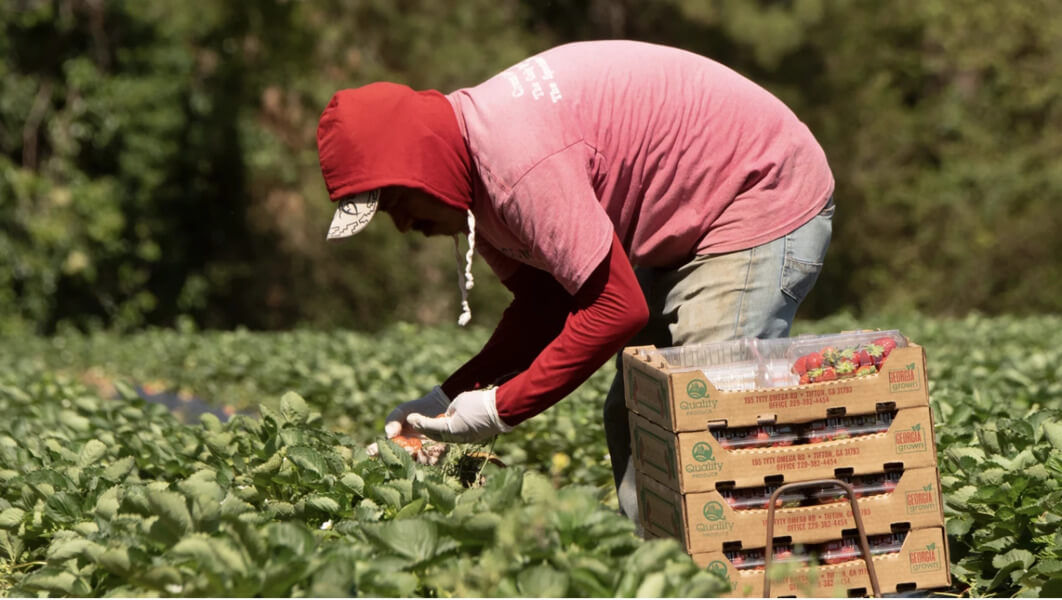
Fruit picking is one of the most common seasonal farm jobs in the USA.
Workers harvest crops such as:
- Apples
- Blueberries
- Strawberries
- Oranges
- Cherries
- Grapes
Fruit picking jobs are especially popular during harvest seasons.
Responsibilities may include:
- Picking ripe fruit
- Sorting produce
- Packing containers
- Carrying harvest baskets
These jobs are physically demanding and often require long hours outdoors.
States with strong fruit farming industries include:
- California
- Florida
- Washington
- Oregon
- Michigan
Vegetable Farm Worker
Vegetable farms hire workers for:
- Planting
- Harvesting
- Irrigation
- Weeding
- Sorting produce
Common crops include:
- Lettuce
- Tomatoes
- Cucumbers
- Peppers
- Onions
Some farms use greenhouse systems, while others operate large outdoor fields.
Vegetable farm work may be seasonal or year-round depending on the climate and crop type.
Dairy Farm Worker
Dairy farm workers help manage cows and milk production operations.
Typical responsibilities include:
- Milking cows
- Feeding livestock
- Cleaning barns
- Monitoring animal health
- Operating dairy equipment
Dairy farms often require early morning and evening shifts because cows must be milked regularly.
States with strong dairy industries include:
- Wisconsin
- California
- Idaho
- New York
Dairy work can provide more stable year-round employment than some seasonal crop jobs.
Livestock Farm Worker
Livestock workers care for animals such as:
- Cattle
- Sheep
- Goats
- Pigs
- Poultry
Daily tasks may include:
- Feeding animals
- Cleaning enclosures
- Monitoring health
- Assisting with breeding
- Maintaining farm equipment
Livestock farming requires physical stamina and comfort working closely with animals.
Farm Equipment Operator
Modern farms rely heavily on machinery and agricultural technology.
Equipment operators may handle:
- Tractors
- Harvesters
- Irrigation systems
- Loaders
- Planting machines
This role often requires:
- Mechanical skills
- Equipment safety knowledge
- Experience operating large machinery
Equipment operators may earn higher wages than general farm laborers due to specialized skills.
Greenhouse Worker
Greenhouse workers help grow plants in controlled indoor environments.
Responsibilities may include:
- Watering plants
- Monitoring temperatures
- Packaging flowers or produce
- Pest control
- Seed planting
Greenhouse work is often less physically demanding than outdoor field work and may offer year-round employment opportunities.
Greenhouses commonly produce:
- Flowers
- Herbs
- Vegetables
- Decorative plants
Ranch Worker
Ranch workers typically focus on large-scale livestock operations, especially cattle ranches.
Tasks may involve:
- Herd management
- Fence repairs
- Feeding livestock
- Horse riding
- Land maintenance
Ranch jobs are common in western states such as:
- Texas
- Montana
- Wyoming
- Colorado
Some ranch positions require horseback riding experience.
Agricultural Technician
Agricultural technology is becoming increasingly important in modern farming.
Agricultural technicians may assist with:
- Soil testing
- Crop monitoring
- Irrigation systems
- GPS farming equipment
- Drone technology
- Precision agriculture systems
These positions often require technical training or agricultural education.
As farms adopt smart farming technologies, demand for agricultural technicians continues growing.
Poultry Farm Worker
Poultry farms raise:
- Chickens
- Turkeys
- Egg-producing hens
Workers may handle:
- Feeding systems
- Egg collection
- Facility cleaning
- Health monitoring
- Packaging operations
Poultry farms often operate year-round and may provide stable employment opportunities.
Farm Supervisor or Manager
Experienced agricultural workers may advance into management positions.
Farm supervisors oversee:
- Labor crews
- Crop schedules
- Equipment operations
- Harvest logistics
- Farm productivity
These roles typically require:
- Leadership skills
- Agricultural knowledge
- Operational experience
Farm managers often earn significantly higher salaries than entry-level farm workers.
Seasonal vs Full-Time Farm Jobs
Farm work may be either:
- Seasonal
- Temporary
- Permanent full-time
Seasonal Farm Jobs
Seasonal workers are commonly hired during:
- Planting season
- Harvest periods
- Peak agricultural production
These jobs are popular among:
- Temporary workers
- Students
- International workers
Full-Time Agricultural Jobs
Some sectors provide year-round employment, including:
- Dairy farming
- Livestock operations
- Greenhouses
- Poultry farms
Permanent positions may include benefits and long-term career opportunities.
Skills Needed for Farm Jobs
Farm jobs vary widely, but common skills include:
- Physical stamina
- Teamwork
- Reliability
- Attention to detail
- Machinery operation
- Animal handling
- Basic technical skills
Some specialized roles may require:
- Driver’s licenses
- Equipment certifications
- Agricultural training
How Much Do Farm Workers Make in the USA?
Farm worker salaries depend on:
- Job type
- Experience
- State location
- Skill level
- Seasonal demand
Entry-level labor positions may offer hourly wages, while specialized agricultural roles can pay significantly more.
Higher-paying farm jobs often include:
- Equipment operation
- Agricultural technology
- Farm management
- Specialized livestock care
Housing or meals may sometimes be included for seasonal workers.
Farm Jobs for International Workers
Many farms in the USA hire international workers through temporary agricultural visa programs.
International farm workers often help fill labor shortages during harvest seasons.
Opportunities may exist in:
- Fruit harvesting
- Vegetable farms
- Livestock operations
- Greenhouse work
Visa eligibility and employment requirements vary depending on the program and employer.
Challenges of Farm Work
Farm jobs can be rewarding but also physically demanding.
Common challenges include:
- Long outdoor hours
- Extreme weather
- Repetitive labor
- Seasonal employment uncertainty
- Rural work locations
Some jobs require:
- Heavy lifting
- Early morning schedules
- Weekend work
Understanding working conditions is important before entering agricultural employment.
Benefits of Working on a Farm
Despite the challenges, farm work offers several advantages.
Strong Job Demand: Labor shortages continue creating employment opportunities across agriculture.
Entry-Level Opportunities: Many farm jobs require little prior experience.
Outdoor Work Environment: Farm work may appeal to individuals who prefer physical activity and outdoor environments rather than office jobs.
Career Growth Potential: Workers can eventually move into equipment operation, agricultural technology, farm supervision, business ownership
Is Farm Work a Good Career?
For many people, yes.
Farm jobs can provide:
- Stable income
- Practical skills
- Outdoor work opportunities
- Agricultural career pathways
While physically demanding, agriculture remains an essential industry with long-term employment needs.
Modern farming is also becoming increasingly technology-driven, creating new career opportunities beyond traditional manual labor.
Final Thoughts
Farm jobs in the USA continue offering valuable employment opportunities in 2026 across multiple agricultural sectors.
From fruit picking and dairy farming to greenhouse operations and agricultural technology, the industry provides a wide variety of roles for both local and international workers.
As labor shortages continue affecting American agriculture, demand for reliable farm workers remains strong nationwide.
Whether you’re seeking:
- Seasonal employment
- Entry-level work
- Skilled agricultural careers
- Long-term farming opportunities
the US agriculture industry continues offering diverse pathways into one of the country’s most essential sectors.
FAQs
What are the most common farm jobs in the USA?
Common farm jobs include fruit picking, dairy work, livestock care, greenhouse work, and equipment operation.
Are farm jobs physically demanding?
Yes. Many farm jobs involve outdoor labor, lifting, repetitive tasks, and long working hours.
Do farm jobs require experience?
Some entry-level positions require little experience, while specialized roles may require technical or machinery skills.
Can international workers get farm jobs in the USA?
Yes. Many farms hire international workers through temporary agricultural work programs.
Are farm jobs seasonal?
Some are seasonal, especially harvesting jobs, while others such as dairy farming and greenhouse work may offer year-round employment.