
 By
By High blood pressure, also known as hypertension, is one of the most common health conditions among older adults in the United States and worldwide. It can increase the risk of heart disease, stroke, and kidney problems if left unmanaged. While medication may be necessary in some cases, many seniors can also take natural steps to help lower their blood pressure and maintain a healthy heart.
This article explains practical, evidence-based ways to manage blood pressure naturally — focusing on diet, exercise, lifestyle habits, and stress management. Always remember to discuss any major changes with a healthcare provider before starting.
Understanding Blood Pressure in Older Adults
Blood pressure measures how strongly blood pushes against artery walls as the heart pumps. It’s expressed as two numbers:
- Systolic pressure (top number): The pressure when the heart beats.
- Diastolic pressure (bottom number): The pressure when the heart rests between beats.
For most adults, a normal reading is around 120/80 mmHg.
When readings consistently stay at or above 130/80 mmHg, doctors may diagnose hypertension.
As people age, arteries naturally stiffen, which can lead to higher blood pressure. Other factors such as weight, diet, medication, and stress also play major roles.
Why Natural Management Matters
Many older adults prefer natural approaches to support healthy blood pressure because they can also improve overall wellbeing — from heart health to energy levels. These methods often involve small, sustainable changes that make a big difference over time.
Natural strategies can complement prescribed treatment plans but should never replace medical advice or prescribed medication. The goal is to support the body through better daily habits.
Maintain a Heart-Healthy Diet
Food choices have one of the biggest impacts on blood pressure. Following a diet rich in fruits, vegetables, lean proteins, and whole grains can help keep numbers in a healthy range.
The DASH Diet
The DASH (Dietary Approaches to Stop Hypertension) diet was designed specifically to help lower blood pressure. It emphasizes:
- Vegetables and fruits (4–5 servings daily)
- Whole grains like oatmeal, brown rice, or quinoa
- Low-fat dairy (milk, yogurt, cheese)
- Lean protein sources such as fish, beans, and poultry
- Limited sodium, saturated fats, and added sugars
Reducing sodium intake to under 1,500–2,300 mg per day can significantly lower blood pressure levels. Seniors can try using herbs, lemon juice, or garlic instead of salt to flavor food.
Stay Physically Active
Regular physical activity strengthens the heart and improves blood flow, making it easier for the body to regulate pressure.
Even moderate exercises can make a difference:
- Walking 30 minutes per day
- Swimming or water aerobics, which are gentle on joints
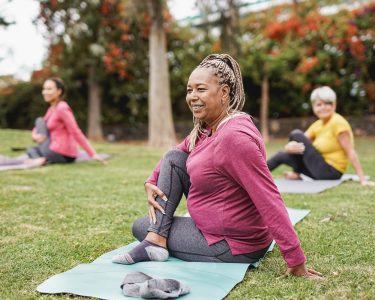
- Tai Chi or yoga, which combine movement with relaxation
- Light resistance training to improve muscle tone and balance
The key is consistency. Seniors who exercise most days of the week tend to have better blood pressure and overall cardiovascular health.
If you have limited mobility, chair exercises or stretching routines can still be effective. Always check with a doctor before beginning new physical activities.
Maintain a Healthy Weight
Carrying excess weight makes the heart work harder, which raises blood pressure. Even small reductions in weight can lead to measurable improvements.
Losing just 5–10 pounds may help reduce systolic pressure (the top number) by several points.
Focus on slow, steady weight management through:
- Balanced portions
- More fiber and plant-based foods
- Reduced sugary and fried foods
A gradual approach is safer and more sustainable for older adults.
Limit Alcohol and Caffeine
Alcohol can raise blood pressure if consumed in excess.
Experts suggest limiting intake to:
- No more than one drink per day for women
- No more than two drinks per day for men
Similarly, caffeine may temporarily increase blood pressure in some people. Older adults who are sensitive to caffeine should monitor their response to coffee, tea, or energy drinks and reduce consumption if needed.
Quit Smoking
Smoking damages blood vessels and accelerates arterial stiffening — a major factor in hypertension.
Quitting smoking not only benefits blood pressure but also reduces the risk of heart attack, stroke, and lung disease.
Nicotine replacement therapies, support groups, or online resources can help seniors quit successfully. Even after years of smoking, stopping provides immediate health improvements.
Manage Stress Levels
Chronic stress can trigger spikes in blood pressure by stimulating the body’s “fight or flight” response. Learning how to relax the mind and body is essential for heart health.
Simple stress management techniques include:
- Deep breathing or meditation — even 5 minutes daily helps.
- Listening to calming music or nature sounds.
- Spending time outdoors or gardening.
- Social interaction — staying connected with friends or family can reduce loneliness and anxiety.
Mindfulness-based activities such as yoga, tai chi, or guided relaxation can be particularly effective for older adults.
Improve Sleep Quality
Poor or inconsistent sleep can raise blood pressure and stress hormone levels. Seniors should aim for 7–8 hours of quality sleep per night.
To sleep better:
- Maintain a regular bedtime routine.
- Avoid heavy meals, caffeine, or bright screens before bed.
- Keep the bedroom cool, quiet, and dark.
If you suspect sleep apnea (pauses in breathing during sleep), discuss it with a healthcare provider — treatment can greatly improve blood pressure control.
Monitor Blood Pressure Regularly
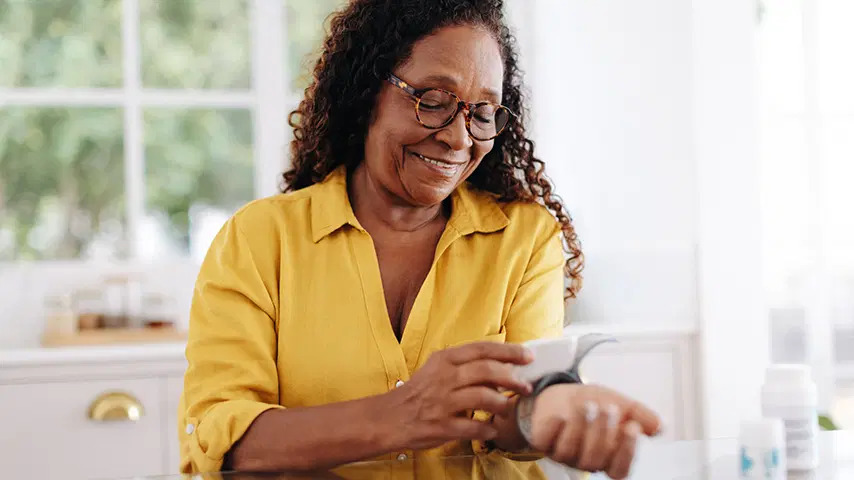
Checking your blood pressure at home helps track progress and catch problems early. Affordable digital monitors are widely available and easy to use.
Keep a log of your readings to share with your doctor. Consistent monitoring helps determine whether lifestyle changes are working or if further adjustments are needed.
Stay Hydrated
Dehydration can cause blood vessels to constrict, which raises blood pressure. Older adults should drink enough water throughout the day, unless advised otherwise by a doctor.
Limiting sugary drinks and high-sodium beverages is equally important.
Balance Potassium and Sodium Intake
Potassium helps the body flush out sodium and eases tension in blood vessel walls. Good sources include:
- Bananas
- Spinach
- Sweet potatoes
- Beans
- Yogurt
However, people with kidney conditions should talk to a doctor before increasing potassium intake, as it may not be safe for everyone.
When to Seek Medical Advice
Natural methods are effective for mild to moderate blood pressure elevation, but medical supervision is always necessary.
Seek professional help if you experience:
- Persistent headaches
- Dizziness or chest pain
- Shortness of breath
- Vision changes
Regular checkups and open communication with healthcare providers are key to managing hypertension safely.
Final Thoughts
Learning how to lower blood pressure naturally in older adults is about creating a healthier lifestyle — not drastic changes overnight. By combining good nutrition, physical activity, stress control, and regular monitoring, seniors can support their heart health naturally and improve overall quality of life.
These habits benefit more than just blood pressure — they enhance energy, mental clarity, and longevity. With time and consistency, small steps can lead to lasting improvements in wellbeing.