
 By
By From personal data collection to public Wi-Fi vulnerabilities, Americans face an increasing need to protect their digital footprint. One solution that continues to gain attention is Virtual Private Network (VPN) technology.
A VPN helps users browse securely, encrypt their data, and maintain privacy online. Among the different types of VPNs available, private internet access VPNs are designed for those who prioritize confidentiality and flexibility — especially those who want to connect multiple or unlimited devices under one account.
This article explores how private internet access works, the benefits of using a VPN with unlimited device connections, and key features to look for when choosing a reliable service in the United States.
What Is a Private Internet Access VPN?
A private internet access VPN is a digital tool that encrypts your internet connection, creating a secure “tunnel” between your device and the online world. This prevents others — including hackers, Internet Service Providers (ISPs), or advertisers — from viewing your browsing activity, location, or data transfers.
When you connect through a VPN, your traffic is routed through a remote server. This process hides your real IP address and assigns you a different one, adding an extra layer of privacy.
While many VPNs share similar functions, a private access VPN emphasizes enhanced data control, secure encryption protocols, and features that ensure users remain anonymous online without compromising speed or convenience.
Why Americans Are Turning to VPNs
In the USA, digital activity is constantly monitored by service providers, advertisers, and sometimes even public networks. People use VPNs for multiple reasons, including:
- Protecting data on public Wi-Fi at airports, cafes, or hotels
- Preventing tracking by websites and ad networks
- Enhancing security for online banking and transactions
- Safeguarding remote work connections and sensitive files
- Bypassing bandwidth throttling from ISPs that slow down certain types of traffic
As remote work and streaming continue to rise, VPNs are no longer just for tech experts — they’ve become a mainstream privacy tool for everyday users.
Benefit of Unlimited Devices
One of the key features users look for today is multi-device or unlimited-device VPN access. This means you can protect all your gadgets under a single account, without constantly logging in and out.
Here’s why this feature matters for modern households and professionals:
Multi-Device Households
Most American homes now have multiple devices — laptops, smartphones, tablets, smart TVs, and even gaming consoles. An unlimited-device VPN allows every member of the household to stay protected simultaneously.
Remote Work and Business Use
Small business owners, freelancers, and digital nomads often switch between multiple devices during the day. Using one secure VPN account across all systems ensures consistent privacy and data protection — especially when handling sensitive client information.
Travel and Mobile Security
Travelers often connect to various public Wi-Fi networks, from airports to hotels. With unlimited device access, users can stay secure whether using a personal phone, a work laptop, or a shared tablet.
Simple Account Management
Instead of juggling multiple subscriptions, having one VPN plan for all devices saves both money and time. It’s easier to manage renewals, billing, and settings from a single dashboard.
Key Features to Look For in a VPN Service
If you’re considering a private internet access VPN with unlimited device coverage, here are the most important features to evaluate:
Strong Encryption Protocols
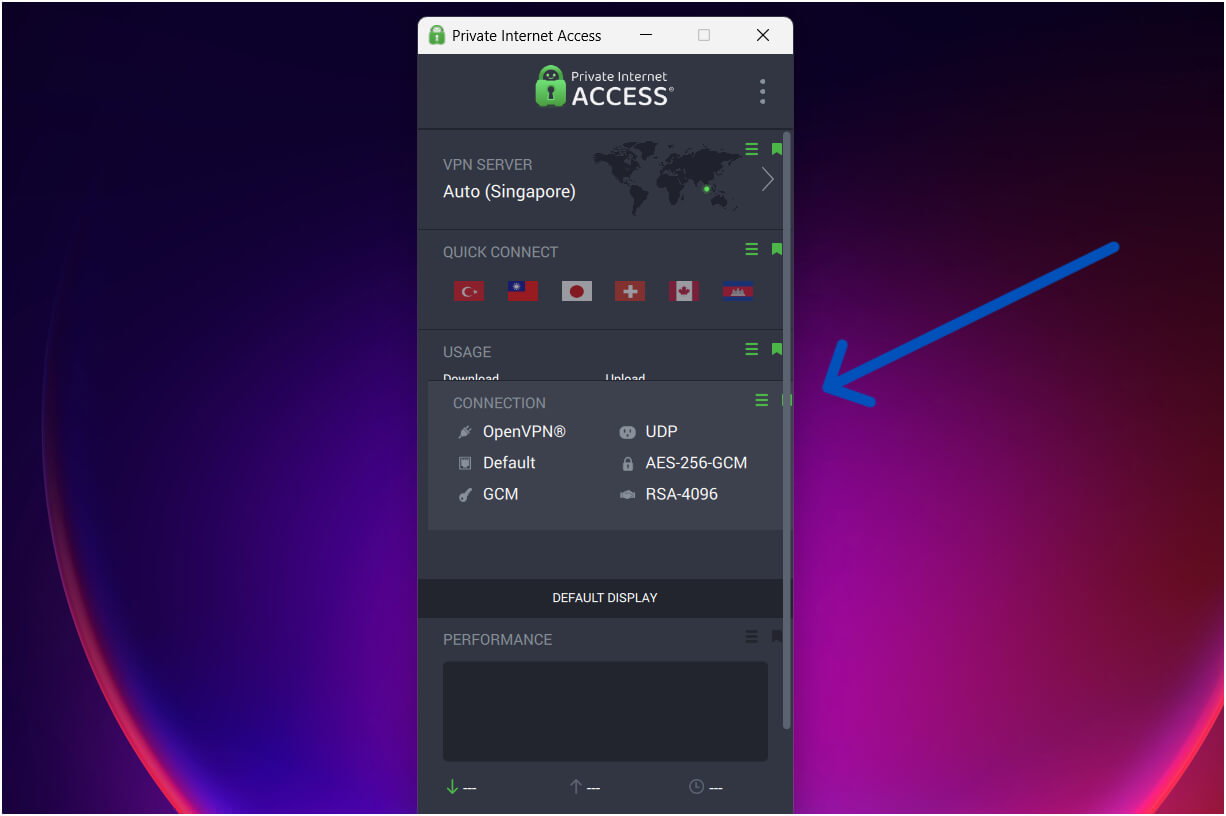
Look for VPNs that use AES-256-bit encryption, the same level of security used by major organizations and governments. This ensures your online activities and personal information are protected from unauthorized access.
No-Logs Policy
A no-logs policy means the VPN provider does not track or store information about your browsing activity. This is essential for ensuring that your data truly remains private — even from the service itself.
Unlimited Bandwidth
To maintain smooth streaming, browsing, and downloading experiences, ensure the VPN offers unlimited data usage without throttling your speed.
Multiple Server Locations
A broad server network across different countries allows faster connections and better access to secure global routes. For users in the USA, servers located across multiple states (East Coast, West Coast, Midwest, etc.) improve reliability.
Compatibility Across Platforms
A good VPN should work across all major operating systems, including Windows, macOS, Android, iOS, and Linux. Browser extensions and router compatibility can also extend protection to devices like smart TVs and IoT systems.
Customer Support and Transparency
Choose providers with responsive support, clear privacy policies, and regular security updates. Transparent companies publish independent security audits to confirm their privacy claims.
Privacy Laws and VPN Use in the United States
VPN usage is legal in the United States. Many professionals and individuals use VPNs daily for cybersecurity, privacy, and remote access. However, it’s important to use VPNs responsibly — they should never be used for unlawful activities or to hide illegal behavior online.
The United States has limited federal privacy regulations compared to other regions, meaning your online data can often be collected or shared by third parties. Using a VPN helps reduce this exposure, but it’s still essential to read the provider’s terms of service and understand how they handle user data.
VPNs and Remote Work Security
Since the pandemic, remote work has become a long-term trend in the U.S. Many organizations now allow employees to work from home, but this introduces new cybersecurity challenges.
VPNs play a crucial role by:
- Encrypting work-related communications
- Protecting file transfers
- Preventing unauthorized access to internal company networks
Employers can also set up business-grade VPNs to provide secure access for distributed teams, especially when managing confidential data across multiple office locations.
Balancing Speed and Security
A common misconception is that VPNs drastically slow down your internet connection. While routing data through an encrypted tunnel can slightly affect speed, modern VPN technologies are optimized to minimize this impact.
High-quality services often use optimized servers, split tunneling, and smart routing algorithms to balance performance with privacy. As a result, users can stream, video call, or browse without noticeable lag — even with multiple devices connected.
How to Choose the Right VPN
Here are a few tips to help U.S. users choose a reliable private internet access VPN:
- Read independent reviews from verified tech sources, not promotional sites.
- Check transparency reports or third-party audits.
- Compare features, such as device limits, encryption standards, and jurisdiction.
- Avoid free VPNs that may collect user data for advertising or analytics.
- Look for clear refund policies and customer support options.
Remember: the “best” VPN isn’t always the cheapest or the fastest — it’s the one that balances security, performance, and trustworthiness.
Final Thoughts
In an era where online privacy is more important than ever, private internet access VPNs with unlimited device connections offer a practical solution for families, freelancers, and businesses across the United States.
They make it easier to protect data on every device — from smartphones and laptops to home networks and IoT devices — without juggling multiple accounts.
By choosing a reputable VPN with transparent policies, strong encryption, and U.S.-friendly performance, users can enjoy the peace of mind that comes with knowing their digital life is secure, wherever they connect.