

 By
By As we age, maintaining physical strength, flexibility, and mental clarity becomes more important than ever. While aging brings wisdom and life experience, it also introduces new challenges — joint stiffness, decreased mobility, balance issues, and even stress or sleep disturbances. One of the most effective, low-impact ways to address these challenges is yoga.
Yoga isn’t just a trend for the young; it’s a lifelong practice adaptable for every age and body type. For older adults, yoga offers a holistic approach to health that combines movement, breath, and mindfulness. In this article, we’ll explore the benefits of yoga for seniors, safety tips, and how to get started.
What Is Senior Yoga?
Senior yoga, often called “gentle yoga,” is a modified version of traditional yoga designed specifically for older adults. It includes slower-paced poses, the use of supportive props (like chairs, straps, or blocks), and a focus on safe stretching, balance, and breathing techniques.
There are several types of yoga that work well for seniors:
- Chair Yoga: Performed while seated or using a chair for support, ideal for those with limited mobility.
- Hatha Yoga: Gentle, slow, and focused on basic poses and breathing.
- Restorative Yoga: Uses props to fully support the body and promote deep relaxation.
- Yin Yoga: Focuses on long, gentle stretches that improve flexibility and joint health.
These forms of yoga make the practice accessible to nearly everyone — regardless of age, flexibility, or fitness level.
Physical Benefits of Yoga for Seniors
Improves Flexibility and Mobility
As we age, muscles and joints can lose elasticity. Regular yoga practice gently stretches and strengthens these areas, helping maintain mobility and range of motion. Simple poses like cat-cow stretches or gentle forward bends can reduce stiffness and make everyday activities — like reaching, walking, or bending — easier and more comfortable.
Enhances Balance and Coordination
Falls are one of the most common risks for older adults. Yoga helps strengthen the legs, core, and stabilizing muscles while training the brain to improve coordination. Poses such as tree pose (using a wall for support) or mountain pose can help improve balance and confidence in daily movement.
Increases Strength
Many yoga poses naturally build strength using body weight. Over time, this strengthens key muscle groups — particularly in the legs, hips, arms, and abdomen — which helps support joint health and reduce strain.
Boosts Circulation and Heart Health
Gentle movement and controlled breathing help improve blood flow throughout the body. This can support cardiovascular health and help maintain energy levels, making yoga an excellent complement to an overall wellness routine.
Supports Joint Health
Unlike high-impact exercises, yoga movements are slow and controlled, reducing stress on the joints. This makes yoga a safe option for people managing mild stiffness or discomfort.
Mental and Emotional Benefits of Senior Yoga
Reduces Stress and Promotes Relaxation: Yoga’s focus on deep breathing and mindfulness helps calm the nervous system. Regular practice can reduce feelings of stress or anxiety and promote an overall sense of peace.
Improves Sleep Quality: Many seniors experience difficulty falling or staying asleep. Evening yoga sessions or gentle stretches before bed can help relax the mind and body, improving sleep quality naturally.
Sharpens Focus and Memory: Yoga combines movement with concentration, helping to engage both body and mind. Studies have shown that mindful exercises can help maintain mental alertness and cognitive function as we age.
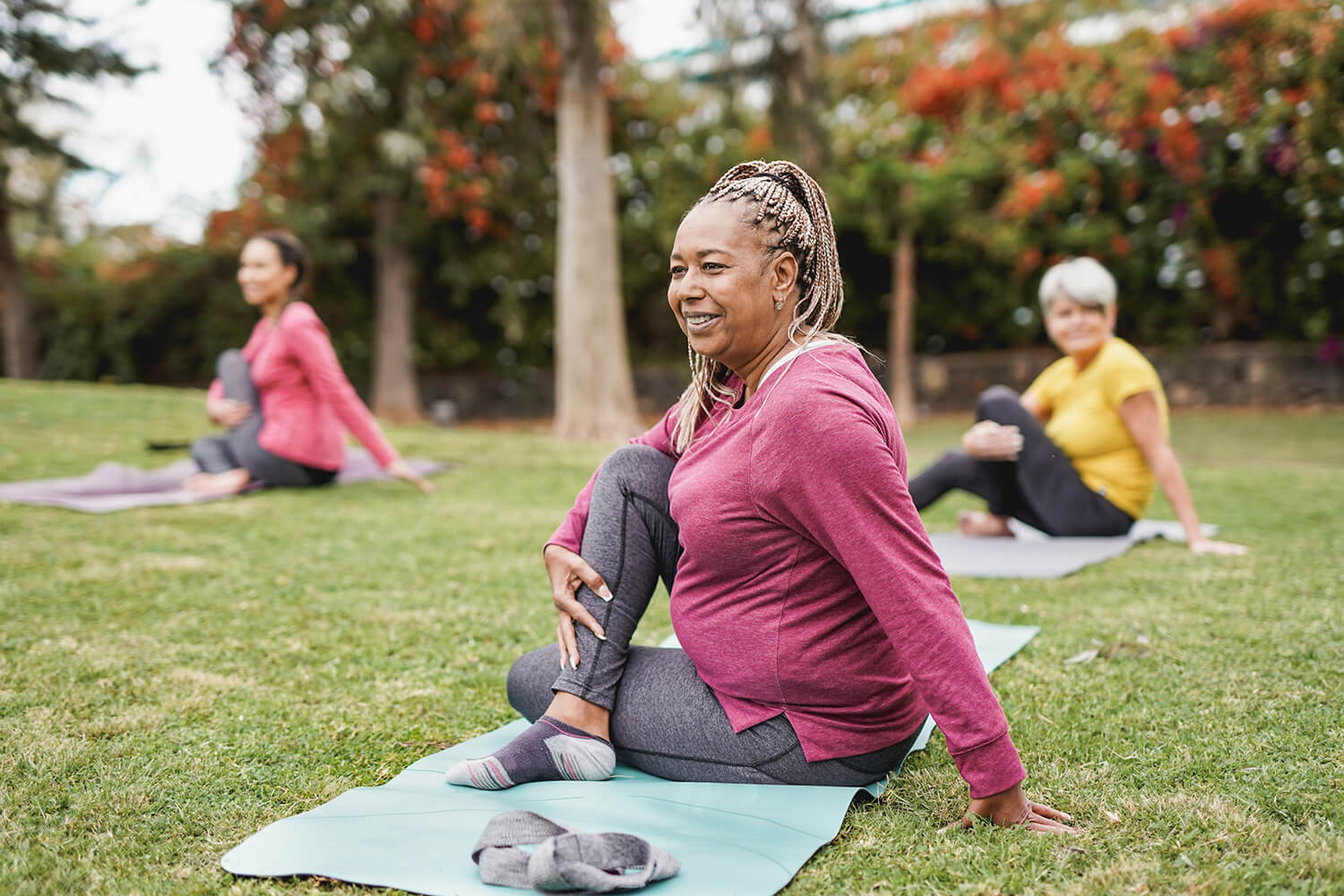
Encourages Social Connection: Group yoga classes for seniors provide a welcoming space to meet others with similar interests. Social interaction has its own mental health benefits — from reducing loneliness to improving overall happiness.
Safety Tips for Seniors Practicing Yoga
Yoga is one of the safest forms of exercise, but it’s important to approach it with care — especially if you’re new to it or managing physical limitations.
- Consult your healthcare provider before starting any new physical activity.
- Choose the right class: Look for senior-specific or gentle yoga classes, often offered at community centers or local gyms.
- Use props: Don’t hesitate to use yoga blocks, straps, or chairs to support your practice.
- Listen to your body: Avoid overstretching or any movement that causes pain.
- Stay consistent: Even short, daily sessions can bring significant benefits over time.
Simple Yoga Poses for Seniors
Here are a few gentle poses that are great for beginners and can be done at home with minimal equipment:
- Mountain Pose (Tadasana) – Improves posture and balance.
- Cat-Cow Stretch (Marjaryasana-Bitilasana) – Loosens the spine and relieves back stiffness.
- Seated Forward Bend (Paschimottanasana) – Gently stretches the back and hamstrings.
- Tree Pose (Vrikshasana) – Builds leg strength and balance (use a wall for support).
- Child’s Pose (Balasana) – Encourages relaxation and releases tension in the lower back.
- Legs-Up-the-Wall Pose (Viparita Karani) – A restorative pose that improves circulation and promotes calm.
You don’t need to do all of them at once — even 10–15 minutes of daily yoga can make a meaningful difference.
How to Get Started with Senior Yoga
1. Find a Local or Online Class: Many yoga studios offer senior-friendly sessions, and online platforms have made it easy to practice from home. Look for classes labeled gentle yoga, chair yoga, or yoga for seniors.
2. Set Realistic Goals: Start small — perhaps just 10 minutes a day — and gradually increase as you become more comfortable. The key is consistency, not perfection.
3. Create a Calm Space: Choose a quiet area in your home where you can stretch comfortably. A yoga mat, chair, or even a sturdy wall can help support your practice.
4. Practice Mindfulness: Yoga isn’t just physical — it’s also about connecting with your breath and being present. Spend a few moments at the start and end of each session simply breathing deeply and noticing how you feel.
Why Yoga Is Ideal for Seniors
Yoga stands out among other forms of exercise because it nurtures both body and mind. It’s gentle, adaptable, and does not require expensive equipment. Whether you’re looking to ease stiffness, improve balance, or simply find a sense of calm, yoga offers something valuable for everyone — especially older adults.
Many seniors report feeling stronger, more flexible, and more centered after just a few weeks of practice. Beyond physical benefits, it can be a joyful, empowering way to embrace aging with grace and vitality.
Final Thoughts
Aging is an inevitable part of life, but how we age is something we can influence. Incorporating yoga into your daily or weekly routine can help you stay active, focused, and peaceful.
The beauty of yoga lies in its adaptability — you can tailor it to your body’s needs and abilities, making it one of the best lifelong wellness tools available. Whether you’re practicing at home or in a group class, the benefits of yoga for seniors are lasting and transformative.
So, unroll your mat, take a deep breath, and start where you are — because it’s never too late to begin your yoga journey.