
 By
By Electricity is such a fundamental part of modern life that we rarely stop to think about how it actually works. It powers our homes, lights our streets, charges our phones, and keeps essential systems running around the clock. But what is electricity, and how does it really work?
This guide explains electricity in clear, everyday language—covering what it is, where it comes from, how it moves, and how it becomes usable power in your home.
What Is Electricity?
At its most basic level, electricity is the movement of electric charge. This charge comes from tiny particles called electrons, which exist inside atoms.
All matter is made of atoms. Each atom contains:
- Protons (positively charged)
- Neutrons (neutral)
- Electrons (negatively charged)
When electrons move from one place to another, they create electricity.
How Electric Charge Works
Electric charge is a fundamental property of matter.
Types of electric charge
- Positive charge: Protons
- Negative charge: Electrons
Opposite charges attract each other, while like charges repel. Electricity relies on this interaction to create movement and energy transfer.
What Causes Electricity to Flow?
Electricity flows when electrons are pushed through a material. This push comes from voltage, which acts like pressure in a pipe.
Key components of electric flow
- Voltage: The force pushing electrons
- Current: The flow of electrons
- Resistance: Anything that slows the flow
Together, these elements determine how electricity behaves in a circuit.
What Is an Electric Circuit?
An electric circuit is a closed path that allows electricity to flow.
Basic parts of a circuit
- A power source (such as a battery or power plant)
- Conductive wires
- A load (like a light bulb or appliance)
- A switch or control
When the circuit is closed, electrons flow. When it’s open, the flow stops.
Conductors vs Insulators
Not all materials allow electricity to flow easily.
Conductors
- Metals like copper and aluminum
- Allow electrons to move freely
Insulators
- Rubber, plastic, glass
- Resist electron movement
Homes use conductors to deliver power and insulators to keep people safe.
How Electricity Is Generated
Electricity does not appear by itself—it must be generated.
Common ways electricity is produced
- Burning fossil fuels (coal, natural gas)
- Nuclear energy
- Hydropower
- Wind turbines
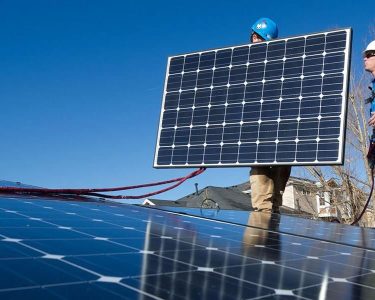
- Solar panels
In most power plants, energy is used to spin turbines, which turn generators that create electricity through electromagnetic motion.
How Power Plants Create Electricity
The basic process is similar across many power sources:
- Energy source produces heat or motion
- Turbines spin
- Generators convert motion into electricity
- Electricity is sent to the grid
Even renewable sources like wind and water rely on movement to generate electric current.
What Is the Electrical Grid?
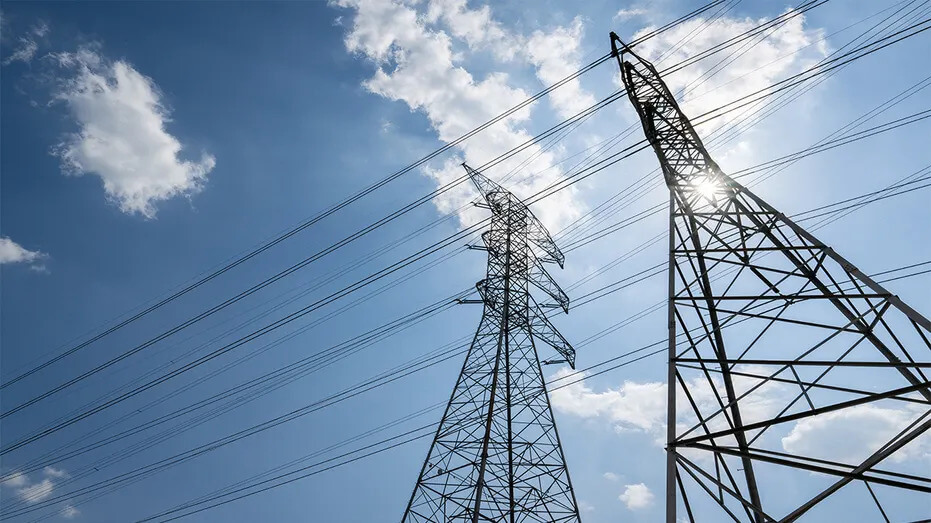
The electrical grid is the network that delivers electricity from power plants to homes and businesses.
Main parts of the grid
- Power generation stations
- Transmission lines (high voltage)
- Substations
- Distribution lines (lower voltage)
The grid balances supply and demand to keep power flowing reliably.
Why Electricity Is Transmitted at High Voltage
Electricity is transmitted at high voltage to reduce energy loss over long distances.
Why this matters
- High voltage = lower current
- Lower current = less heat loss
Transformers step voltage up for transmission and down for safe home use.
How Electricity Enters Your Home
Once electricity reaches your neighborhood, it goes through:
- A local transformer
- A service line to your home
- A meter that measures usage
- A breaker panel that distributes power
From there, electricity flows through wiring to outlets, lights, and appliances.
AC vs DC Electricity
There are two main types of electricity.
Alternating Current (AC)
- Used in homes and power grids
- Changes direction many times per second
Direct Current (DC)
- Used in batteries and electronics
- Flows in one direction
Power plants generate AC electricity because it is easier to transmit over long distances.
How Appliances Use Electricity
Electrical devices convert electricity into other forms of energy.
Examples
- Light bulbs → light and heat
- Motors → motion
- Heaters → heat
- Electronics → signals and data
Each appliance uses electricity in a specific way to perform its function.
What Is Power and How Is It Measured?
Electric power measures how quickly electricity is used.
Key units
- Watt (W): Unit of power
- Kilowatt (kW): 1,000 watts
- Kilowatt-hour (kWh): Energy used over time
Electric bills are based on kilowatt-hours, not watts.
Why Electricity Can Be Dangerous
Electricity is extremely useful—but also potentially hazardous.
Risks include
- Electric shock
- Burns
- Fires
Safety measures like insulation, grounding, and circuit breakers are essential to prevent accidents.
How Circuit Breakers and Fuses Work
Circuit breakers and fuses protect your home by stopping electricity when something goes wrong.
What they do
- Detect excess current
- Cut power to prevent overheating
- Reduce fire risk
These devices are critical for electrical safety.
Electricity and Energy Efficiency
Using electricity efficiently helps reduce costs and environmental impact.
Simple efficiency tips
- Use energy-efficient appliances
- Turn off unused devices
- Improve insulation
- Use smart controls
Efficiency means doing more with less electricity.
Renewable Energy and the Future of Electricity
Electricity is increasingly generated from renewable sources.
Why this matters
- Reduced emissions
- Greater sustainability
- Energy independence
Advances in storage and grid technology are shaping how electricity will be produced and used in the future.
Common Misunderstandings About Electricity
- Electricity is not “used up”; it flows
- Appliances don’t store electricity
- Higher wattage doesn’t always mean higher usage
Understanding these basics helps people make smarter energy decisions.
Why Understanding Electricity Matters
Knowing how electricity works helps you:
- Use energy safely
- Reduce electricity bills
- Make informed choices about appliances
- Understand energy-saving options
Even basic knowledge can lead to better decisions at home.
Final Thoughts
So, what is electricity and how does it work? In simple terms, electricity is the movement of electrons through a circuit, powered by voltage and controlled by resistance. From massive power plants to tiny household devices, electricity plays a central role in modern life.
By understanding the basics—how electricity is generated, transmitted, and used—you can better appreciate this invisible force that powers nearly everything around you.